2026-11-20 · Edwards
Simple Steps to Improve Attic Ventilation in Kenner Homes
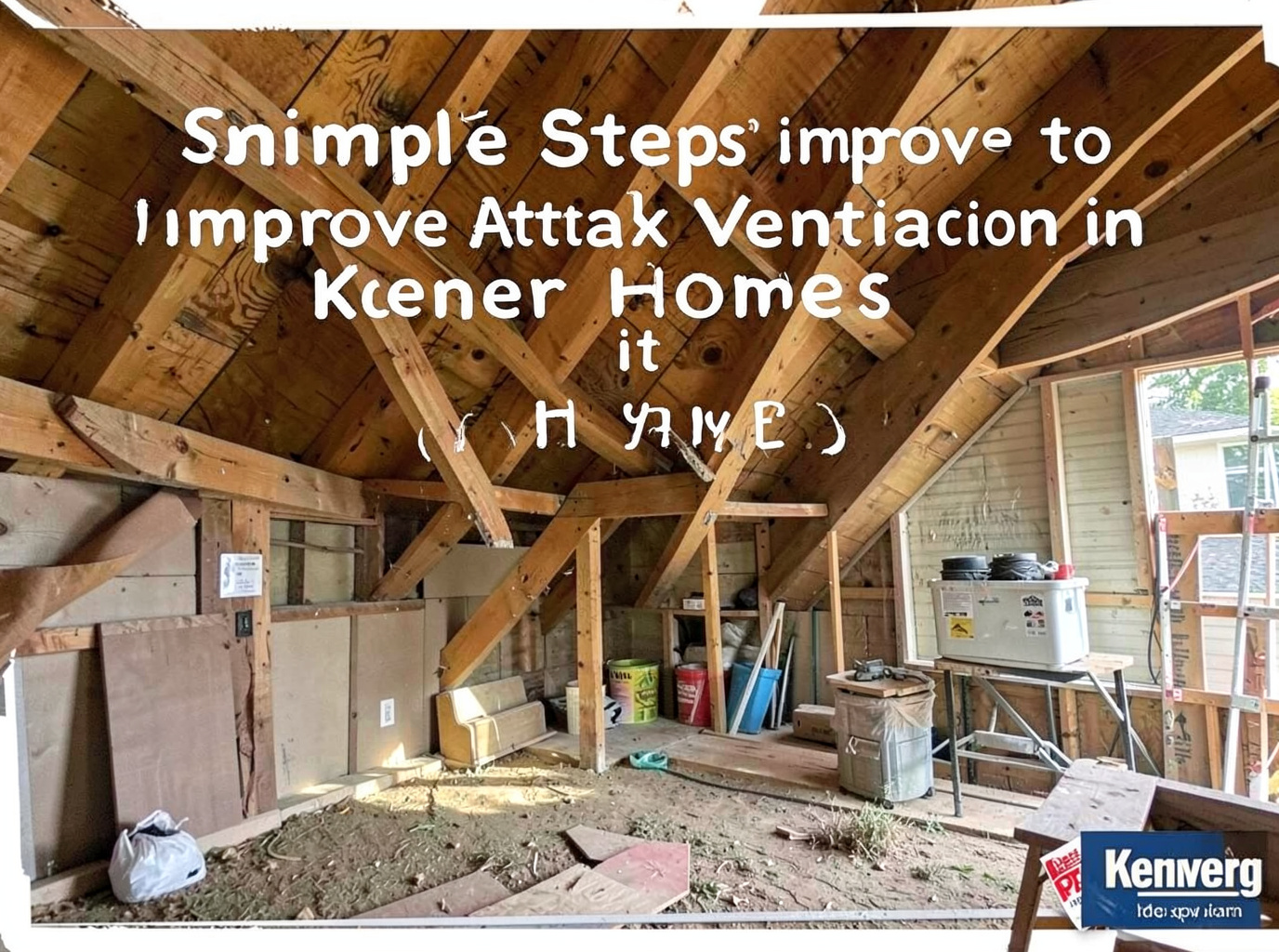
Improving attic ventilation in Kenner homes starts with installing a balanced system of intake and exhaust vents sized at roughly 1 square foot per 150 square feet of attic floor area, then sealing gaps that let humid air linger. This approach counters the humid subtropical climate that drives condensation year-round in Jefferson Parish neighborhoods such as Chateau Estates and Woodlake. Older homes near the Rivertown Historic District often lack modern soffit openings, so adding vents there prevents wood rot on rafters during the long summer season. Flooding events common along the lakefront push warm moist air upward, making continuous airflow essential to protect insulation and decking. Homeowners in Lincoln Manor and University City see faster results when they combine ridge vents with existing gable openings rather than relying on one method alone.
Assessing Current Airflow in Local Attics
Walk the attic on a mild day and check for dark streaks on rafters or musty odors that signal trapped moisture from the surrounding Metairie and New Orleans humidity. Measure soffit and ridge openings against the 1:150 ratio and note any blocked vents covered by insulation blown in during past renovations. In Woodlake and Chateau Estates, many 1970s and 1980s homes have narrow soffit slots that need clearing before new vents are added. Use a smoke pencil or lightweight tissue to test whether air moves from soffits toward the ridge when windows are open below. Document findings with photos so you can compare airflow before and after changes, especially ahead of hurricane season when high winds can force water through any unsealed penetrations.
Installing Ridge Vents and Intake Openings
Begin at the ridge by cutting a 1-inch gap on each side of the peak and fitting a continuous ridge vent rated for high-wind zones common in Jefferson Parish. Pair it with new soffit vents or perforated aluminum panels along the eaves to create true intake that pulls cooler air from the shaded side of the house. In Rivertown homes with historic detailing, choose low-profile vents that match existing trim lines while still meeting the required net free area. Secure every seam with exterior-grade caulk and stainless screws to resist corrosion from salt-laden air blowing in from nearby Marrero. This balanced setup moves air steadily even when temperatures climb above 90 degrees and relative humidity stays near 80 percent for weeks.
Handling Humidity and Storm-Related Moisture
Kenner’s climate keeps attic temperatures 20 to 30 degrees hotter than outside air, so ventilation must run continuously rather than only during peak heat. Add a solar-powered attic fan as a supplement in homes with limited ridge length, positioning it near the highest point to exhaust the hottest air before it condenses on sheathing. After heavy rains or storm surge, inspect for water stains around plumbing vents and skylights; these spots often need flashing repairs before ventilation alone can solve the moisture problem. Residents in University City and Lincoln Manor benefit from tying ventilation upgrades to regular roof inspections that catch small leaks before they saturate insulation. The same airflow that reduces summer humidity also helps dry out any incidental water that enters during the June-through-November storm window.
Avoiding Common Errors in Kenner Roof Systems
Never block soffit vents with insulation or exterior paint, a frequent issue in Woodlake homes where contractors sealed eaves for appearance. Skip turbine vents that seize after one hurricane season and instead rely on fixed ridge and soffit products designed for sustained coastal winds. Keep electrical wiring and recessed lights at least 3 inches from new insulation to prevent heat buildup that defeats ventilation gains. When working near the Louis Armstrong New Orleans International Airport flight path, schedule noisy cutting early in the day to stay within local noise guidelines. These details keep the system effective for the full lifespan of the roof deck rather than requiring repeated fixes after each wet season.